


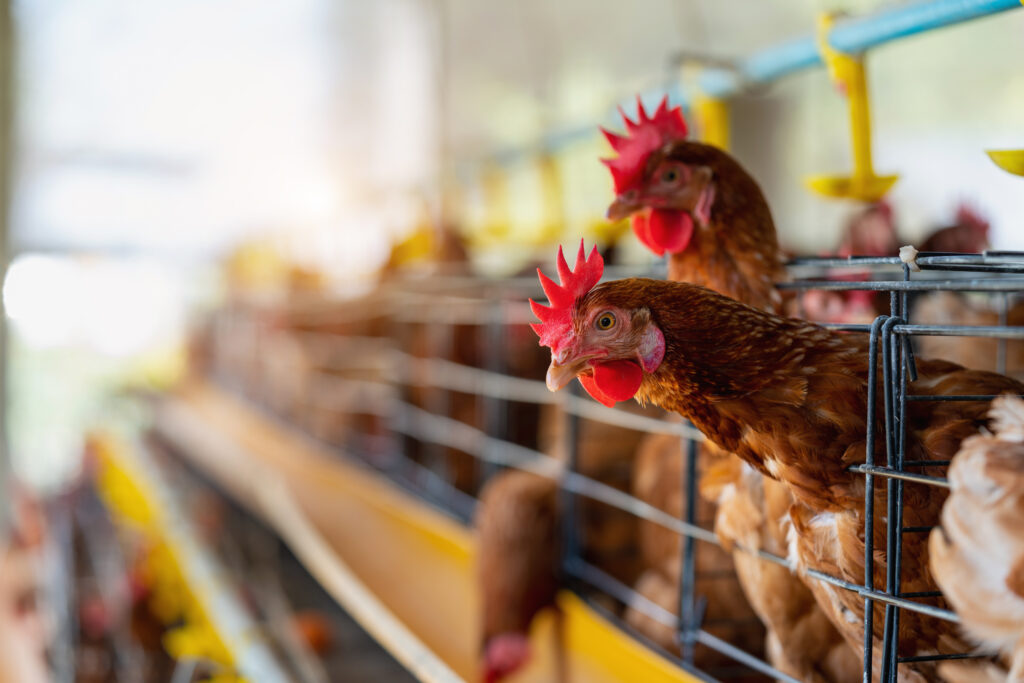
The use of antibiotics in animal farming — a major contributor to antimicrobial resistance — is expected to grow by 8% between 2020 and 2030 despite ongoing efforts to curtail their use, according to an analysis1.
Overuse of antibiotics in agriculture is thought to be a major driver of the rise in humans of bacterial infections that cannot be treated with antibiotics. Although antibiotics can be necessary to treat infections in livestock, they are often used to speed up animal growth and prevent diseases among animals in crowded, unsanitary conditions.
Many governments have struggled to make or enforce rules to decrease antibiotic usage. For instance, although a number of countries, including the United States and much of Europe, ban the use of antibiotics that promote growth, manufacturers can just say they are marketing the drugs to prevent disease.
Researchers have also struggled to calculate the amount of antibiotics used in particular countries because most do not release their agricultural-antibiotic usage data publicly, says study co-author Thomas Van Boeckel, a spatial epidemiologist at the Swiss Federal Institute of Technology in Zurich (ETH Zurich). Instead, many release the data to the World Organization for Animal Health (WOAH), which groups country’s antibiotics data into continents, so that is all that researchers can see. And around 40% of countries do not report their antibiotic use to WOAH at all. “The majority of data on antibiotic use in the world is unusable,” van Boeckel says.
Country estimates
To estimate antibiotic usage in 229 countries, Van Boeckel worked with Ranya Mulchandani, an epidemiologist at ETH Zurich, and other colleagues to collect data from individual governments, farm surveys and scientific articles that reported veterinary use of antibiotics. They cross-referenced these with data on farm-animal populations worldwide, as well as on antibiotic sales from the 42 countries that reported … continua a leggere
Fonte: nature.com